
In this Panel Glide Blinds Guide, we will uncover the simplicity and modern elegance of…
How To Choose The Best Colour Blinds For Your White Walls
What colour blinds go with white walls?
White walls are an immensely popular and versatile choice, offering limitless potential for creative expression. Like a blank canvas, the possibilities for window treatment colour combinations in white rooms are bound only by your imagination.
Let’s take a look at some of our favourite colour combinations for window treatments in white rooms:
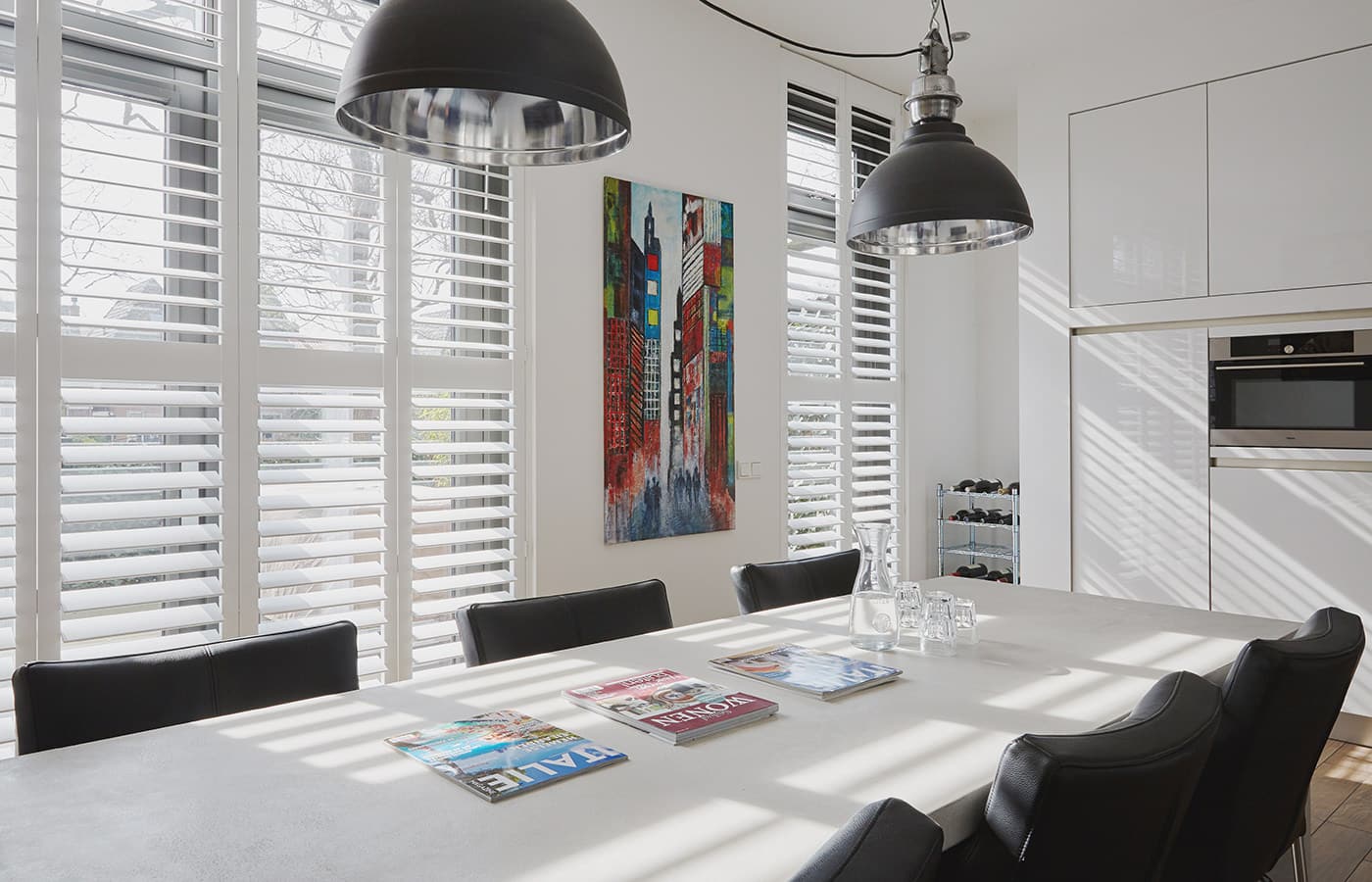
Contrasting Colour
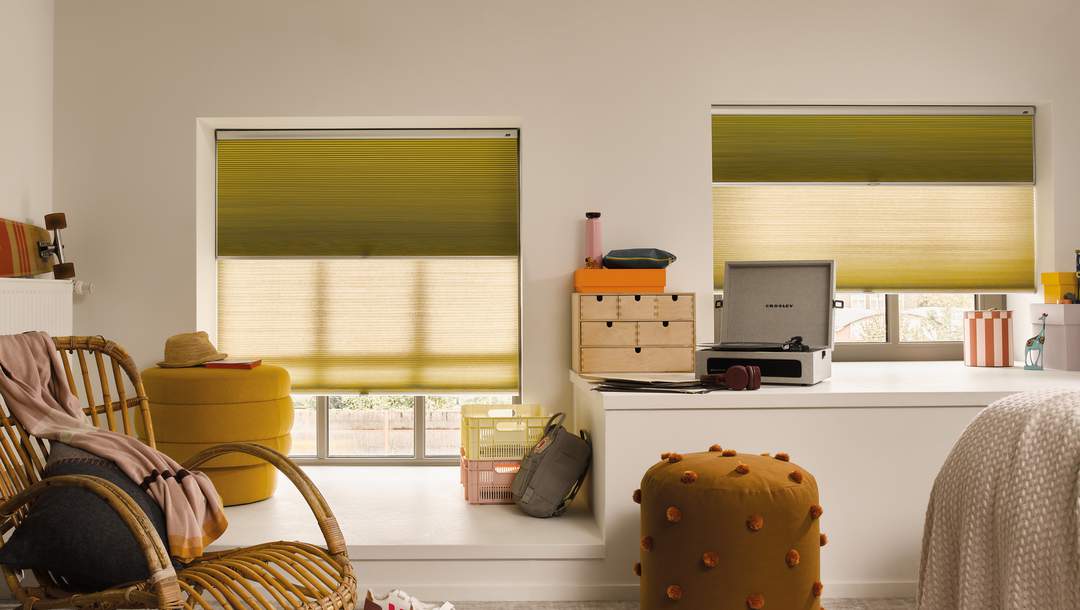
Elevate any space by using window treatments as a focal point. Installing blinds in contrasting colours against a white wall naturally draws the eye to the window. Whether it’s a pop of red, blue, black, grey, pink, or green, choosing the right colour creates an impressive focal point against the white backdrop.
Roller Blinds are a great way to create natural colour contrast and charm against white walls. Roller Blinds are well suited to both traditional and contemporary design styles, and they’re extremely practical too.
Subtle Contrasts
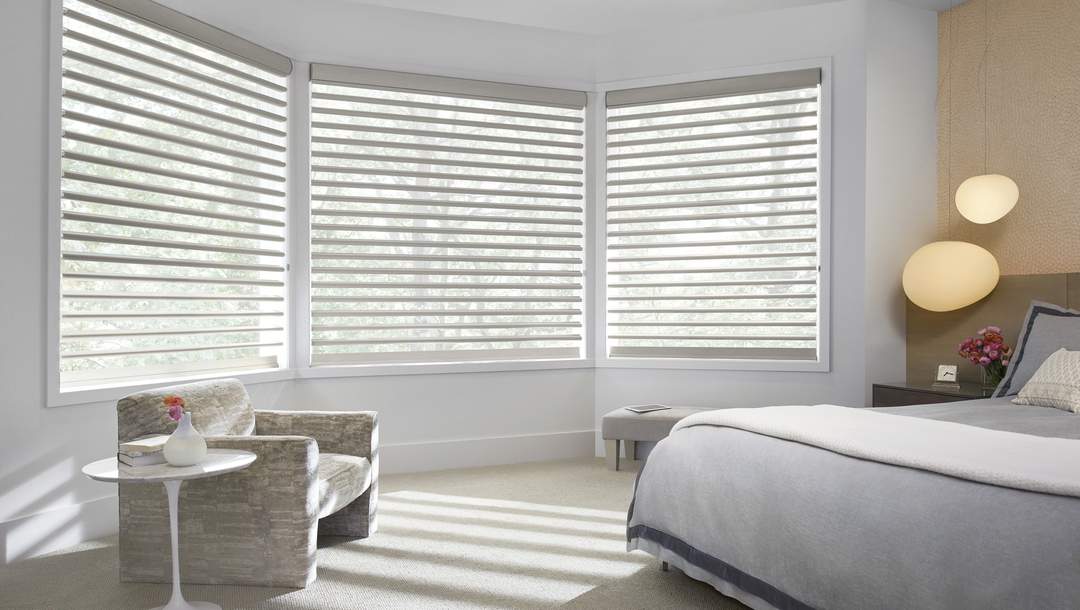
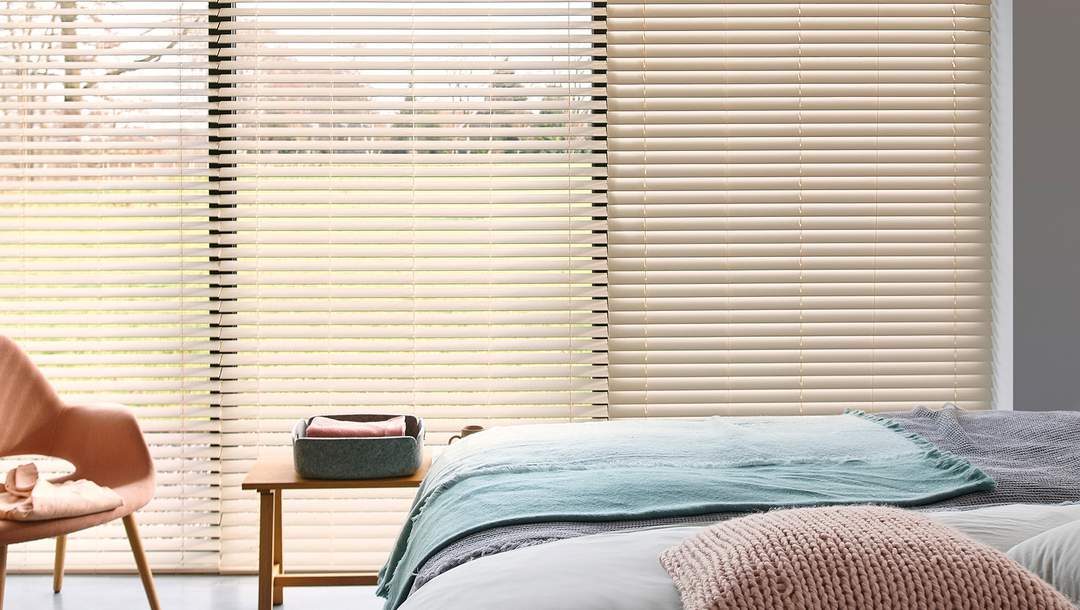
Achieving effective colour contrast doesn’t require excess; subtle contrasts can be just as impactful against white walls. Consider pastel shades, light grey, or neutral tones like champagne, oyster, or wheat for visual interest without overwhelming the space.
LumiShade Blinds offer an excellent means to introduce subtle colour contrast and allure against white walls. Their adaptability makes them suitable for both traditional and contemporary design styles, adding a touch of practicality to the mix.
White Blinds On White Walls
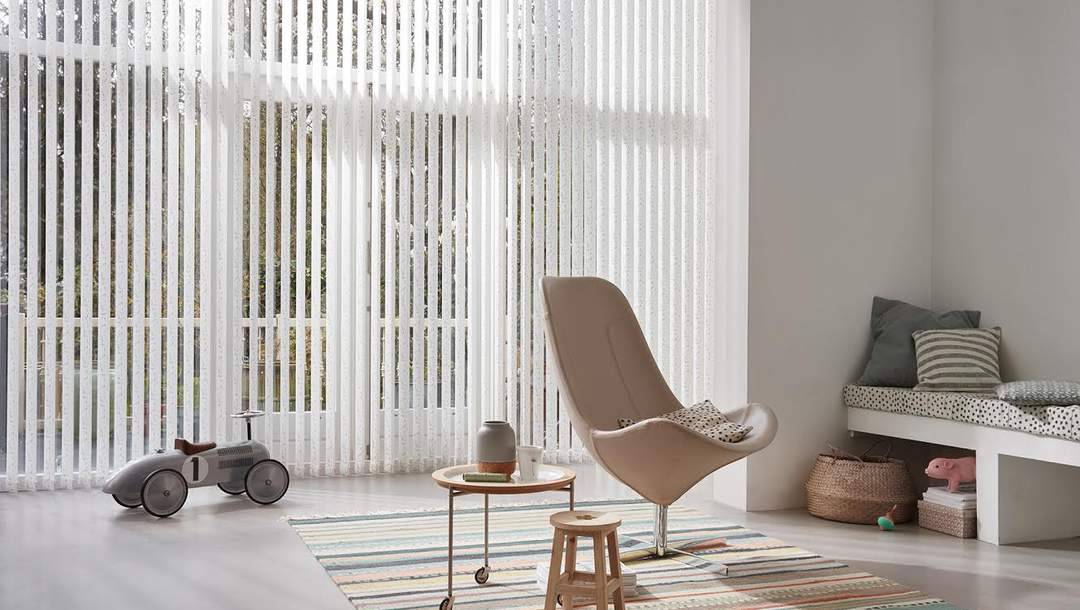
Is it okay to have white blinds with white walls? Of course! White on white is very popular, especially in homes with a contemporary or modern interior design style. Picking the right shade of white can be a challenge (who would think there would be so many shades of white?). The team at Complete Blinds can help you choose one that complements your home and white walls to a tee.
Contrast In Texture & Transparency
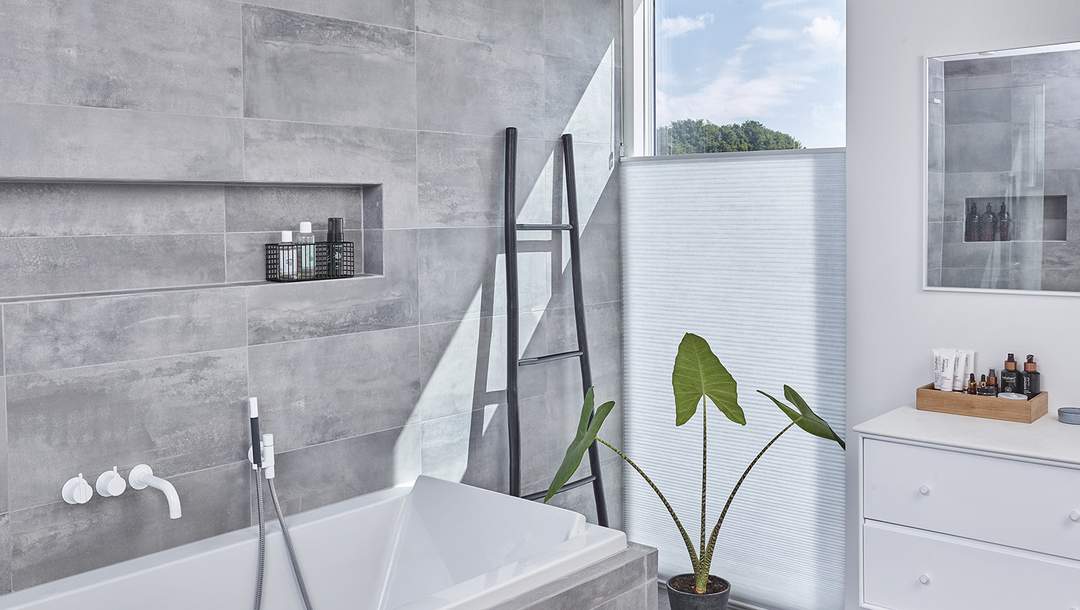
Using blinds with contrasting textures are a very effective way of creating visual interest against white walls. Are you worried that your white blinds on white walls might look a bit boring? Why not take them to the next level by choosing a linen-look or metallic fabric? The level of opacity you choose will also create texture – translucent fabrics provide privacy without blocking out all the sunlight.
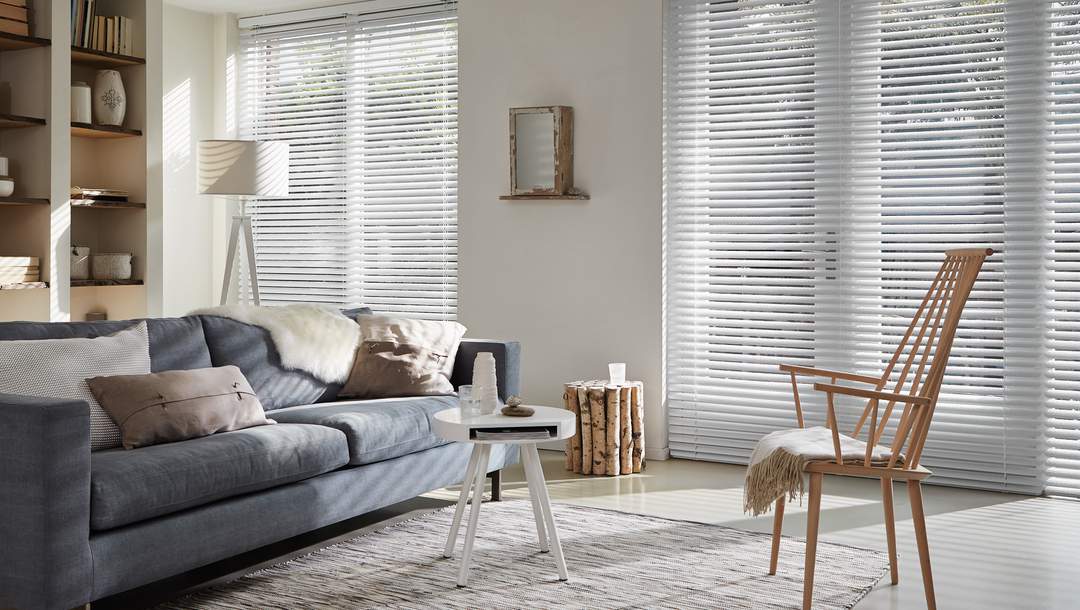
Styles
What style of blind is best for white walls? Again, the choice is yours – there’s no rights or wrongs when it comes to window treatments. Roller blinds, roman blinds, venetians or verticals… they’re all beautiful and practical options that are well suited to the demands of everyday living.
Still debating what style or what colour blinds will go with the white walls in your home? The team at Complete Blinds can help you out. Send us a message or call us today on (02) 8824 7975 and chat with one of our staff.

Related Posts
This Post Has 0 Comments