
In this Panel Glide Blinds Guide, we will uncover the simplicity and modern elegance of…
Are Window Blinds Considered Fixtures In Real Estate?
Buying or selling a home can be a complex and emotional process, with extensive paperwork and details to consider. If you’re curious about whether your window blinds are considered fixtures in real estate, it’s crucial to understand what stays and what goes when a house is sold.
What Are Considered Fixtures?
Here’s a basic rule of thumb: a decoration or piece of equipment that’s attached to the home with glue, cement, nails, pipes or other similar materials is considered a fixture. This item then ‘conveys’ with the sale of the property.
Common examples of fixtures include:
- Doorknobs
- Tap-ware
- Toilets
- Basins/vanity units
- Wall-mounted benches.
Are Window Blinds Considered Fixtures?
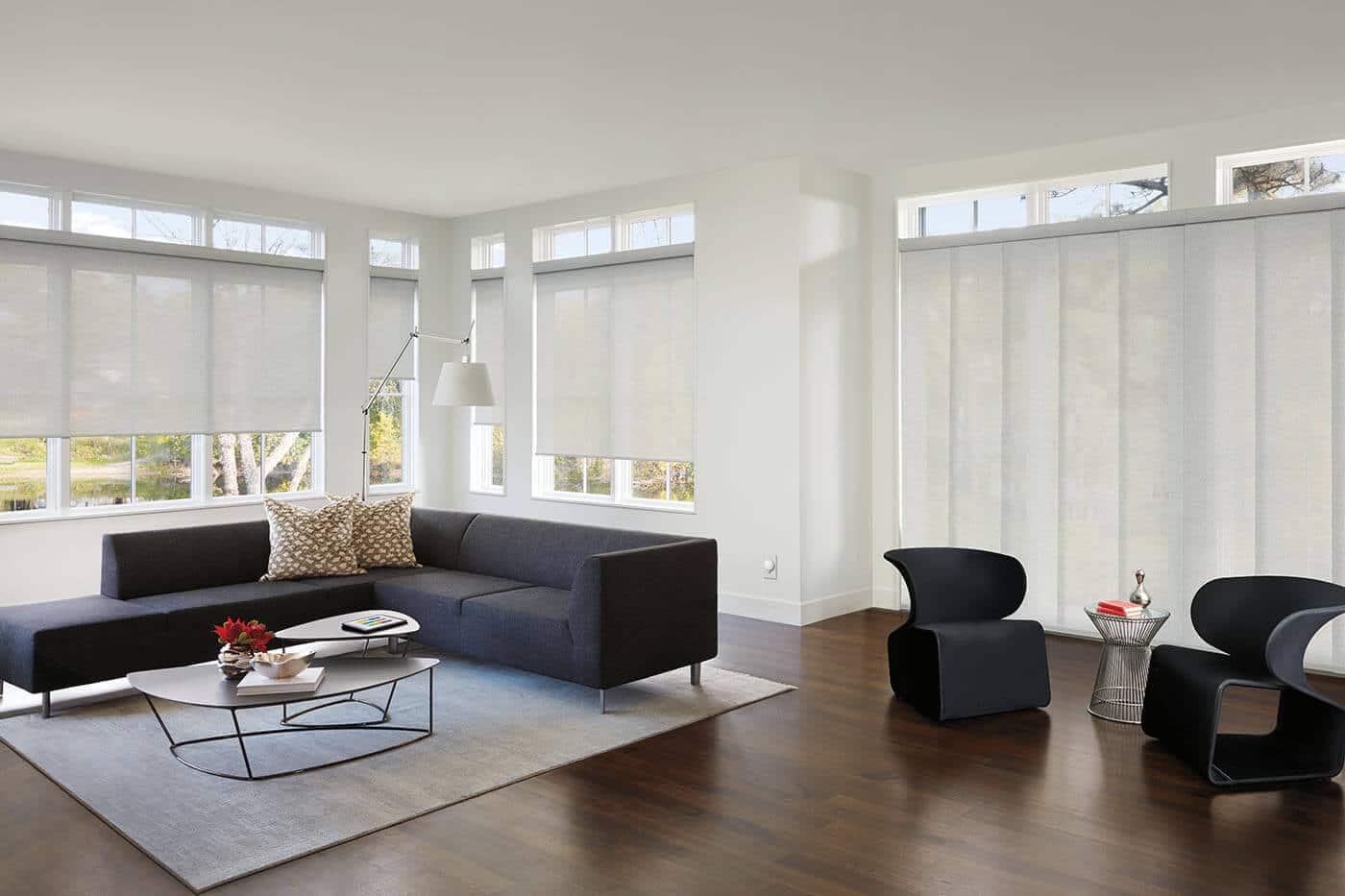
If your blinds, shutters, or shades are affixed to the window frame, they are indeed considered fixtures. Unless there’s a specific agreement with the seller, these window treatments automatically convey with the home upon sale.
Are Curtains Considered Fixtures?
Curtains are one of those grey areas that you need to clarify with your real estate agent. Generally speaking, the rods, rails and pelmets are included as fixtures because they are attached to the home. The curtains themselves are not fixed so they may be considered the seller’s property and therefore removed.
What Window Treatments Should I Install in My Rental?
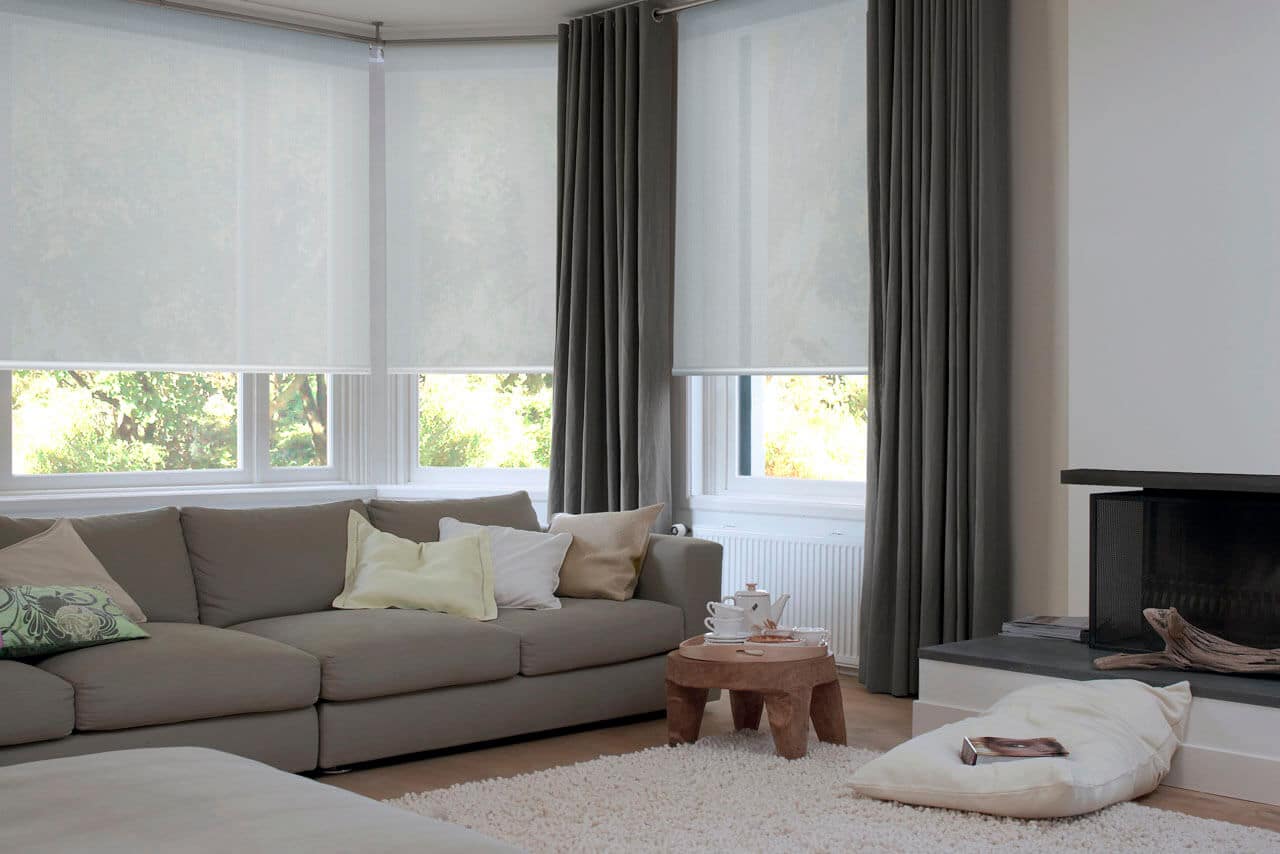
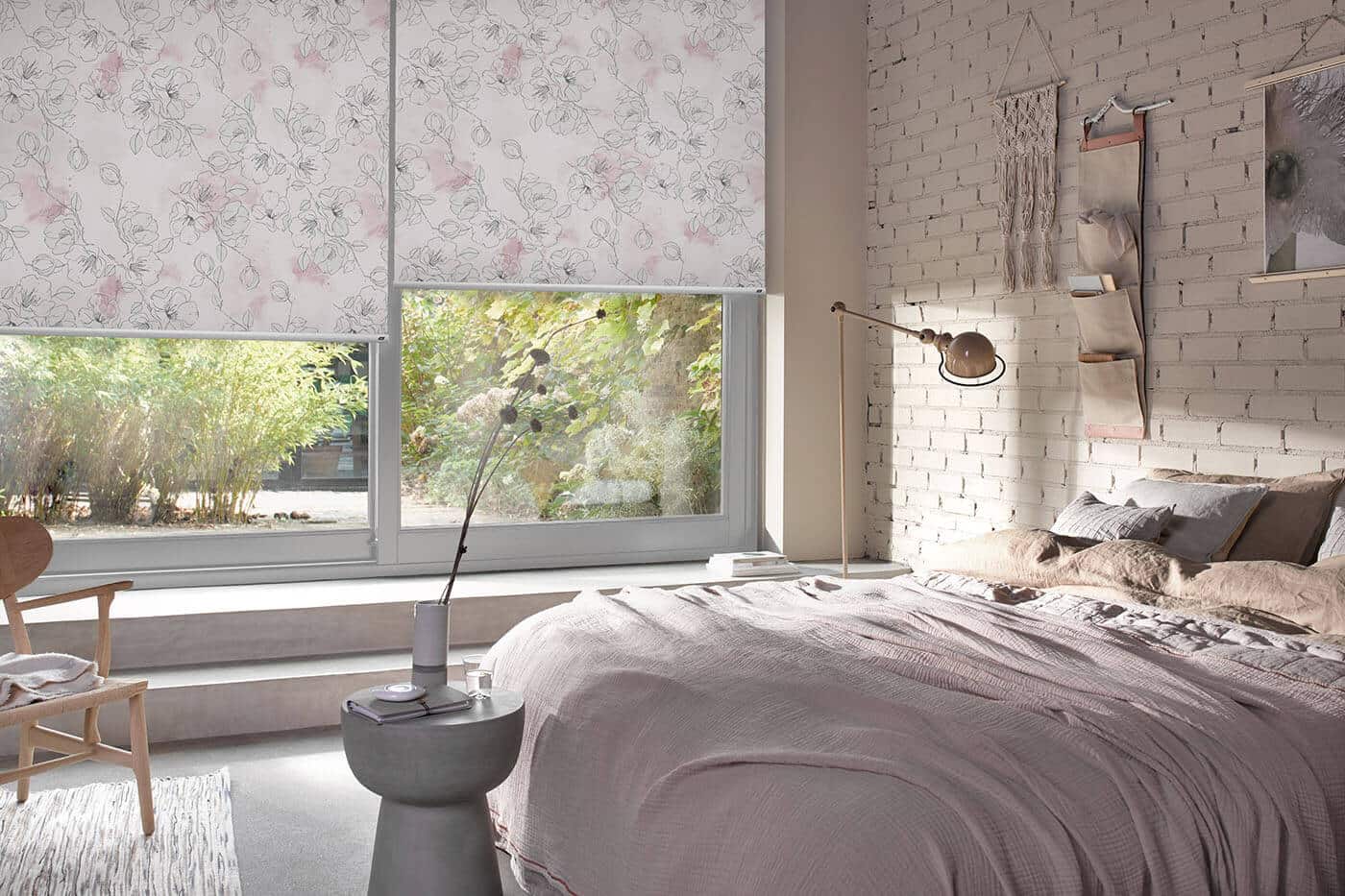
For a rental property investment, opt for simple, functional, and stylish window treatments. Our top recommendation is the traditional Roller Blinds. They are incredibly practical, trendy, and effortless to install and maintain. Roller Blinds offer a variety of fabrics and opacity levels, ensuring an ideal fit for every window in your home.
What Colour Blinds Are Best for Rental Properties?
For an ideal choice in blinds for your rental home, we recommend adhering to a neutral colour palette. Opting for shades of white, grey, and stone not only ensures widespread appeal but also seamlessly complements a variety of decor styles.
Ask Questions!
Given the potential variation in state regulations, it’s prudent to engage in a discussion with your real estate agent regarding any concerns or questions about fixtures in your home. After all, it’s your investment, and having a clear understanding of what constitutes your home package is your rightful prerogative.
Safety First.
To ensure safety, it’s crucial to equip all roller blinds with the necessary safety devices, particularly in homes with children. This precautionary measure helps prevent potential hazards associated with loose cords or chains. When it comes to installing blinds on your property, the team at Complete Blinds is here to help. Call us today on (02) 8824 7975.
Also, you might want to check out our previous article on choosing the right colours for your window shutters, and which blinds are best for bedrooms.

Related Posts
This Post Has 0 Comments